


Desizing in Textile Printing and Dyeing
2026-01-04
As mentioned earlier, warp yarns are subjected to significant tension and friction during weaving, making them prone to breakage. To reduce warp breakage and improve weaving efficiency and fabric quality, sizing is necessary before weaving. This process causes the fibers in the yarn to adhere and bind together, forming a strong sizing film on the yarn surface. This makes the yarn denser and smoother, thereby improving its breaking strength and abrasion resistance.
The sizing rate depends on fiber quality, yarn count, density, and loom type, generally ranging from 4% to 8%. For yarn-dyed fabrics, no sizing or a sizing rate below 1% is acceptable. For tightly woven fabrics (such as poplin), the sizing rate can reach 8% to 14%. In recent years, high-speed looms have achieved warp sizing rates exceeding 14%.
The principle of desizing
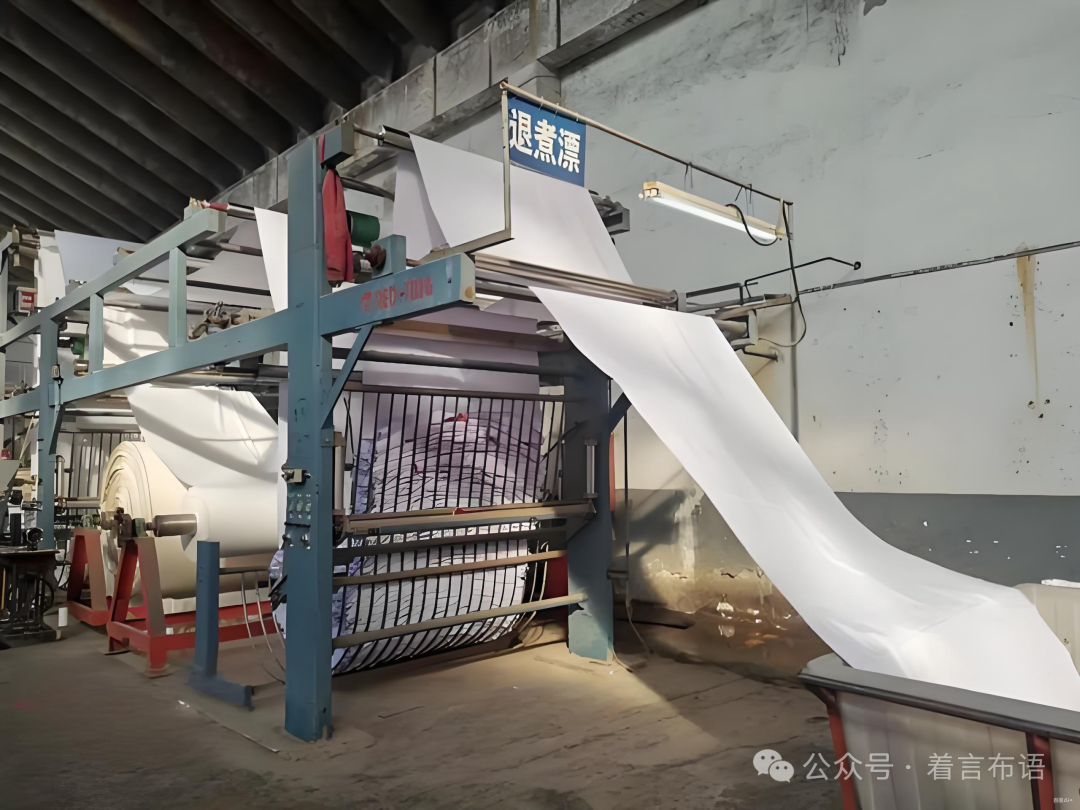
The process of removing sizing from fabrics. The warp yarns of fabrics such as cotton, viscose, and synthetic fibers are mostly sizing before weaving. Sizing affects the wettability of the fabric during dyeing and finishing and hinders the contact of chemicals with the fibers. Therefore, fabrics are generally desized first. Desizing cotton fabrics also removes some impurities from the fibers; synthetic fiber fabrics may sometimes be desized during scouring.
The desizing methods for various fabrics differ depending on the sizing agent used. The appropriate desizing method should be selected based on the type of fabric, the composition of the sizing agent, the desizing requirements, and the factory equipment. After desizing, the fabric must be washed with hot water promptly, as impurities such as starch decomposition products will re-coagulate on the fabric, severely hindering subsequent processing. The following five methods are commonly used.
Hot water desizing method: After immersing the fabric in hot water, it is kept warm and piled in a desizing tank for more than ten hours, allowing the sizing agent to swell and become easier to wash away with water. This method has a good desizing effect on fabrics using water-soluble sodium alginate, cellulose derivatives, etc. as sizing agents. For fabrics sized with starch, piling them at 25-40℃ for a longer period of time, allowing them to ferment and degrade naturally, can also achieve a desizing effect.
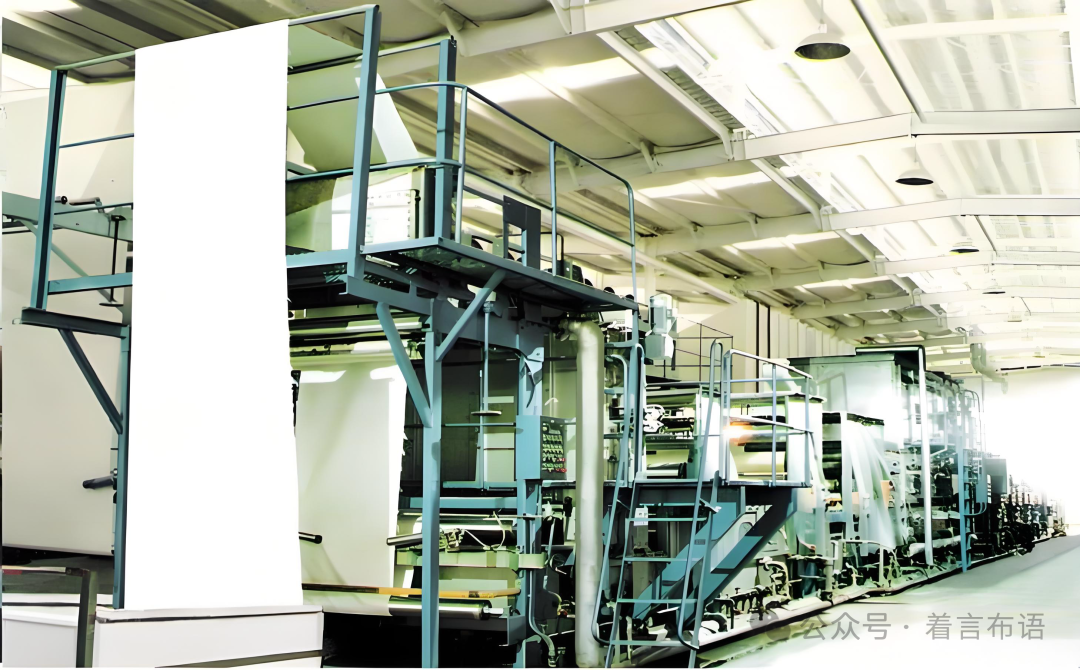
Features
·Low cost, can utilize waste alkali solution from pretreatment;
·Aids in the removal of some fiber co-organisms from cottonseed hulls, reducing the refining burden, and improving whiteness and permeability;
·Effective on all types of sizing agents;
·Low desizing rate, long stocking time, hindering continuous production;
·Alkali has no chemical degradation effect on PVA sizing agents, resulting in high viscosity washing solution; thorough washing is necessary to prevent sizing agents from re-contaminating the fabric.
News
Hot News
Contact Us
-
Phone:+86-519-83388368、86-13775633505
-
Fax:+86-519-83388368
-
Email:admin@yongxushengmachine.com