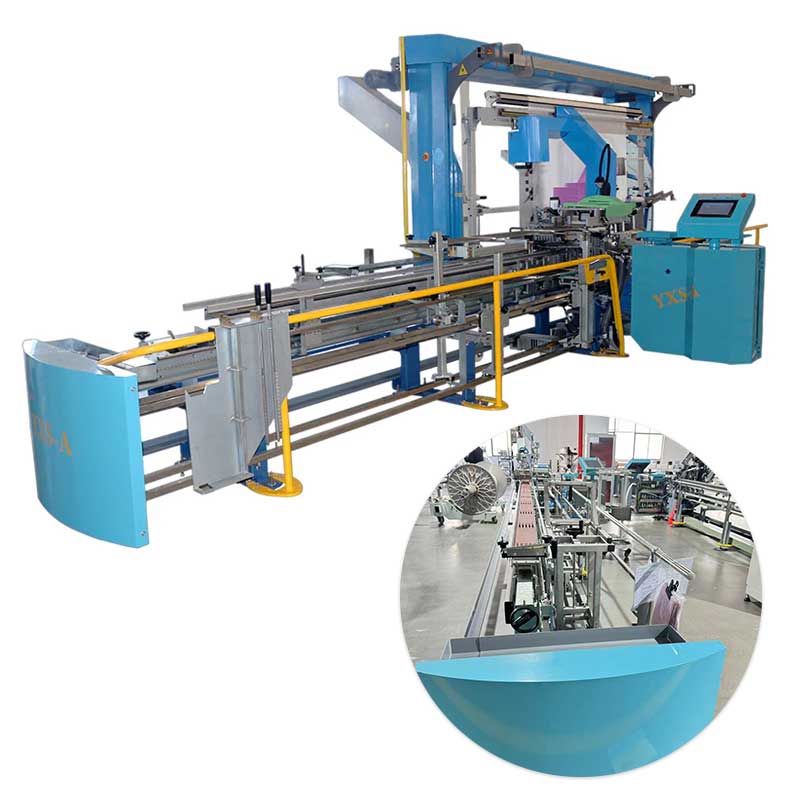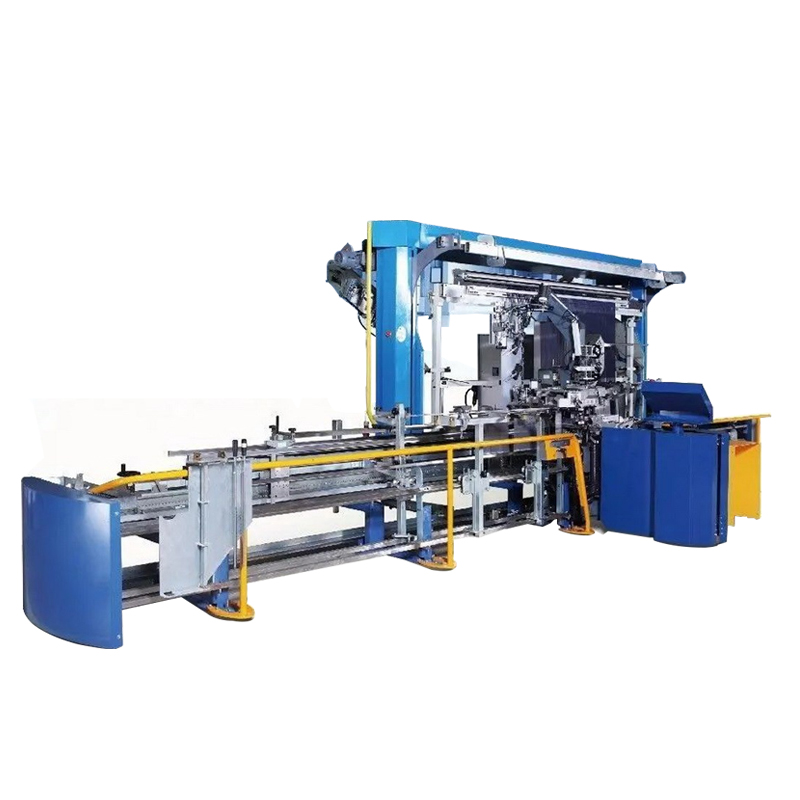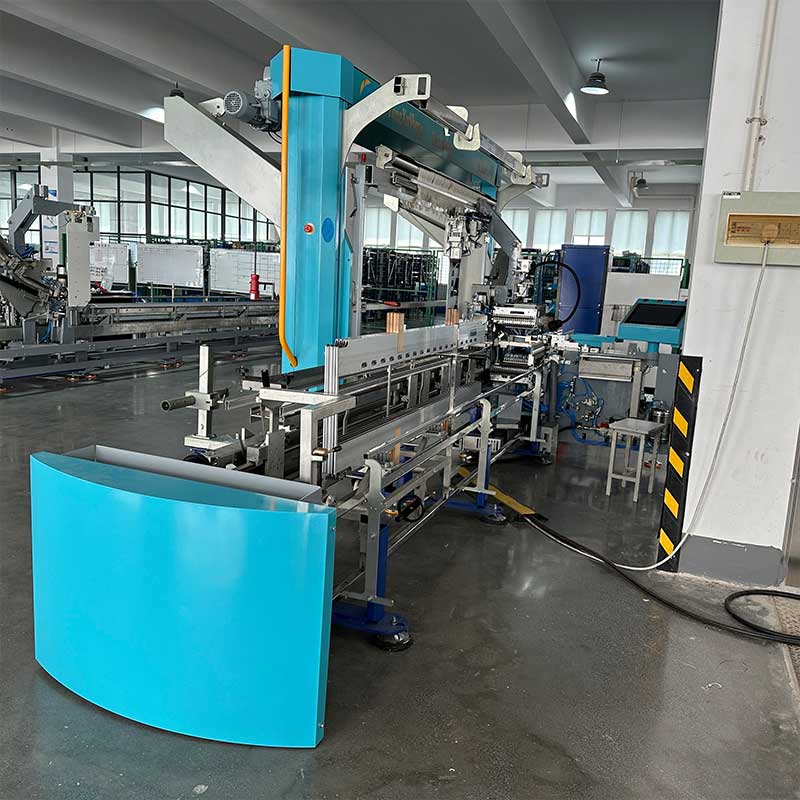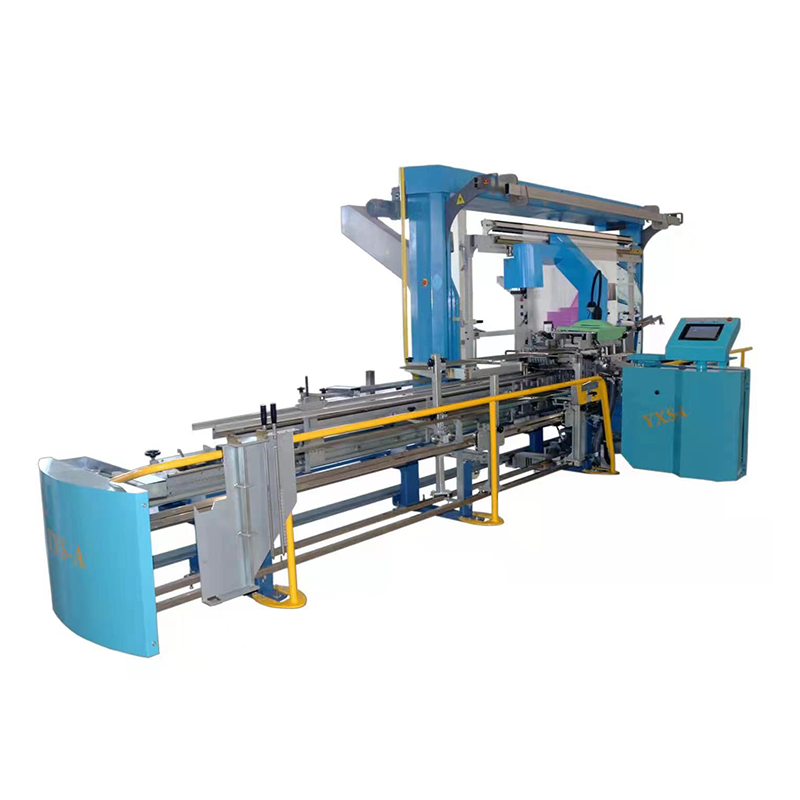


Product recommendation
Twisting involves causing relative rotation between the two cross sections of a yarn, resulting in fibers that were originally parallel to the yarn axis tilting into a spiral. For short fibers, twisting primarily increases yarn strength. For filaments, twisting can increase yarn strength and also produce other effects. The amount of yarn twist and the combination of twist direction and twist degree in the fabric significantly impact the product's appearance and performance.
Indicators of twist properties include:
Twist degree and twist coefficient, indicating the degree of twist
Twist direction, indicating the direction of twisting
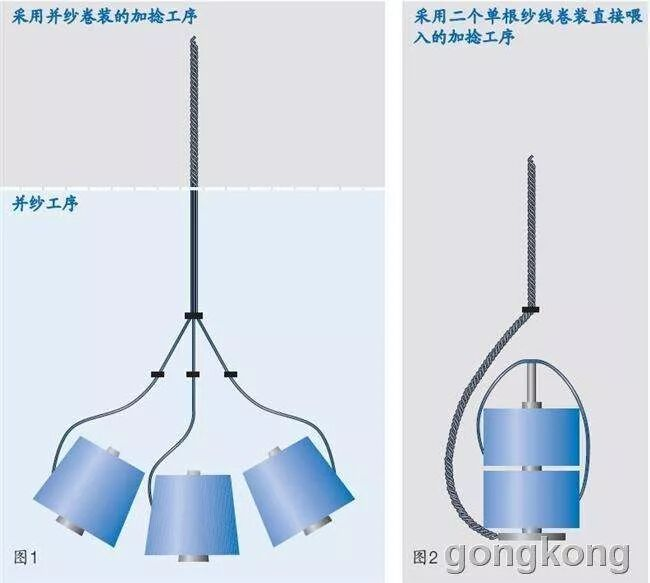
Twist: The number of twists per unit length of yarn. One twist is defined as one complete turn of the yarn at the twist angle.
Ttex – Twist in tex units (twists/10cm, used for cotton yarns)
Tm – Metric twist (twists/m, used for combed wool yarns and synthetic filaments)
Te – Imperial twist (twists/inch)
1 inch = 2.54cm Ttex = 0.1Tm = 3.937Te
The yarn twist should be selected according to the intended use of the fabric.
Warp yarns require higher strength, so a higher twist is needed.
Weft yarns and knitting yarns need to be soft, so a lower twist is needed.
Yarn for woven and knitted napped fabrics should have a lower twist to facilitate napping.
Thin and crisp crepe fabrics require a smooth, crisp, and refreshing feel, so a higher yarn twist is needed.
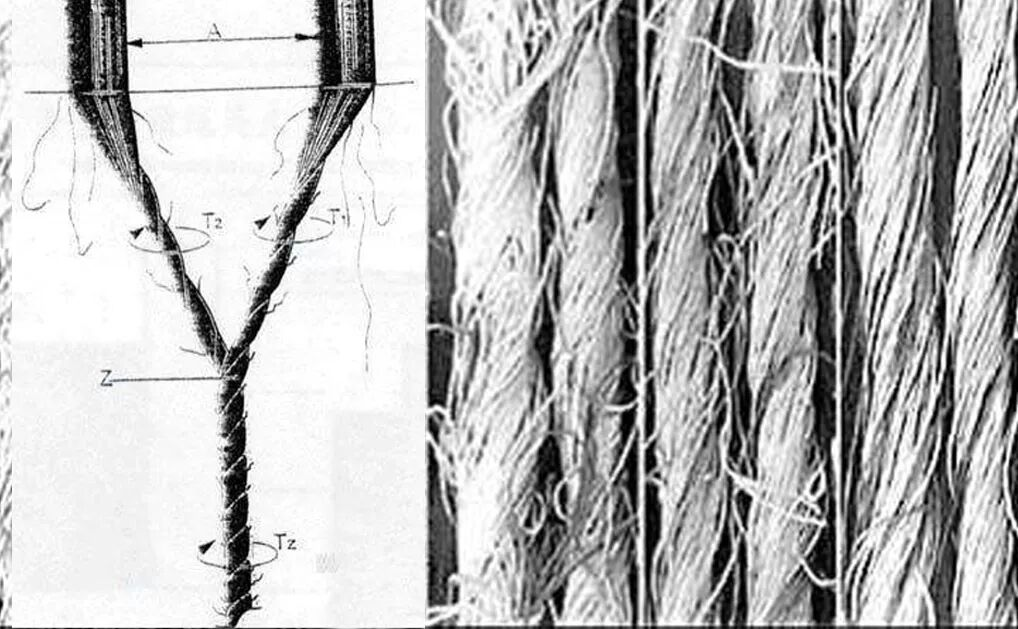
The twist direction of yarns has a significant impact on the appearance and feel of fabrics. By coordinating the twist direction of warp and weft yarns with the fabric structure, fabrics with different appearances and feels can be woven.
Twist cannot be used to compare the degree of twist of yarns of different thicknesses because, for the same twist, coarser yarns have a greater degree of fiber inclination than finer yarns. In actual production, the twist coefficient is commonly used to represent the degree of twist in yarn.
The twist coefficient can be calculated based on the yarn's twist and linear density.
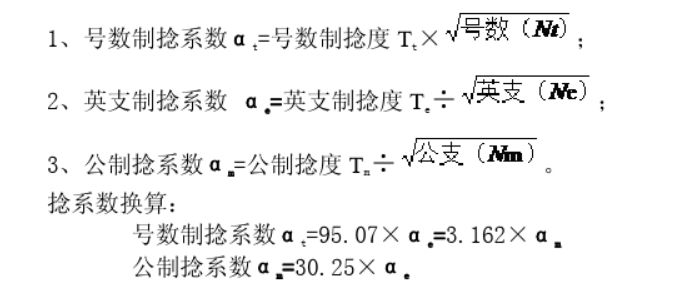
The twist factor is a relative value that combines linear density to represent the degree of twist in yarn. It can be used to compare the degree of twist in yarns of different thicknesses. A higher value indicates a greater degree of twist.
The choice of twist factor is mainly determined by the properties of the raw materials and the intended use of the yarn.
When spinning fine, long fibers, the twist coefficient of the yarn can be lower.
When spinning coarse, short fibers, the twist coefficient should be higher.
Warp yarns require higher strength, so the twist coefficient should be larger.
Weft yarns and knitting yarns generally require softness, so the twist coefficient should be smaller.
Woven and knitted napped yarns should have a smaller twist coefficient to facilitate napping.
Thin, crisp fabrics and knitted outerwear fabrics require a smooth and crisp feel, so the yarn twist coefficient should be larger.
Different yarn fineness results in different twist coefficients; finer yarns should have a larger twist coefficient.
Generally, the twist coefficient of rovings made from synthetic fibers is smaller than that when spinning pure cotton. When spinning cotton-type synthetic fibers, it is 50%–60% of that when spinning pure cotton; when spinning medium-length synthetic fibers, it is about 40%–50% of that when spinning pure cotton. Specific figures depend on the type and quantity of raw materials.
Please visit product page for more information
-
- Textile factory's automatic threading machines and other textile machinery accessories have been widely used in many markets at home and abroad.
- Textile factory's automatic threading machines and other textile machinery accessories have been widely used in many markets at home and abroad.
- 280 Type C Simplex Column Steel Healds wires For Automatic Drawing-In Machine
- Heddle And Open Drop Wires 165*11*0.3 For Weaving Machine Spare Parts
-
- Yongxusheng Automatic Warping Machine Product Introduction
- This new Chinese-style vest worn by Elon Musk's son is trending online, showcasing the biggest trend of Chinese fashion.
- Is the fabric not strong enough? Don't always blame the yarn; it's most likely a problem with the finishing process.
- Yarn dyeing process - bleaching