

Textile weaving knowledge: looms
2025-12-26
Looms can be classified in many ways. According to the weft insertion method, they can be divided into shuttle looms and shuttleless looms. The weft insertion methods of shuttleless looms are also diverse, including rapier, air-jet, water-jet, rapier shuttle, and multi-shed (multi-phase) methods.
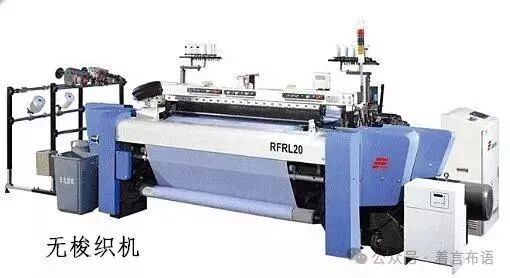
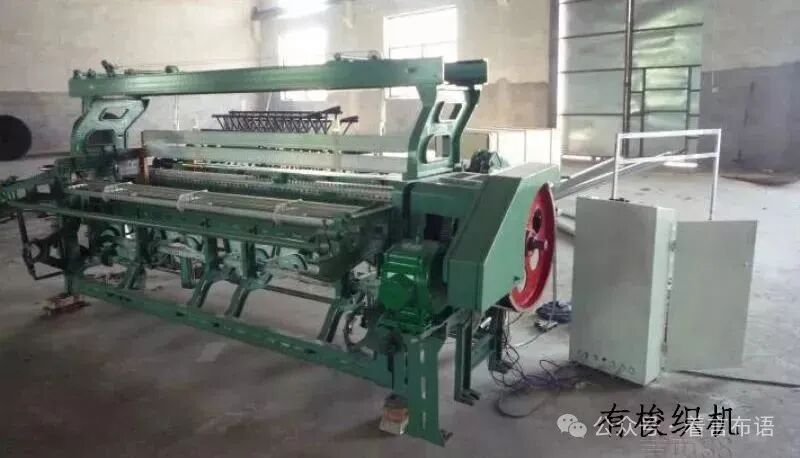
Characteristics of various types of looms:
Shuttle looms use traditional wooden or plastic shuttles for weft insertion. Due to the large size and weight of the shuttle, and the repeated back-and-forth movement of the shuttle, the machine experiences high vibration, noise, energy consumption, slow speed, and low efficiency.
Shuttleless looms employ various weft insertion methods, including rapier, air-jet, water-jet, projectile shuttle, and multi-shed (multi-phase) methods. The fundamental characteristic of shuttleless looms is that the weft yarn package is separated from the shuttle, or carries only a small amount of weft yarn, replacing the large and heavy shuttle with a small and lightweight weft inserter, thus providing favorable conditions for high-speed weft insertion. For weft yarn supply, bobbins are used directly, entering the weft insertion mechanism through a weft storage device, freeing the loom from frequent weft replenishment operations. Therefore, the use of shuttleless looms is of great significance for increasing fabric variety, adjusting fabric structure, reducing fabric defects, improving fabric quality, reducing noise, improving working conditions, and reducing energy consumption.
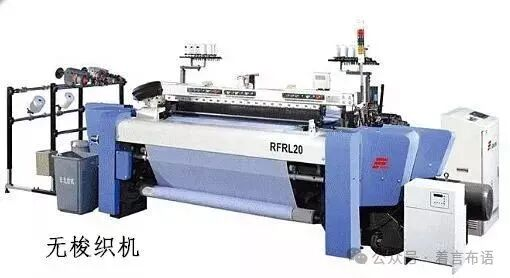
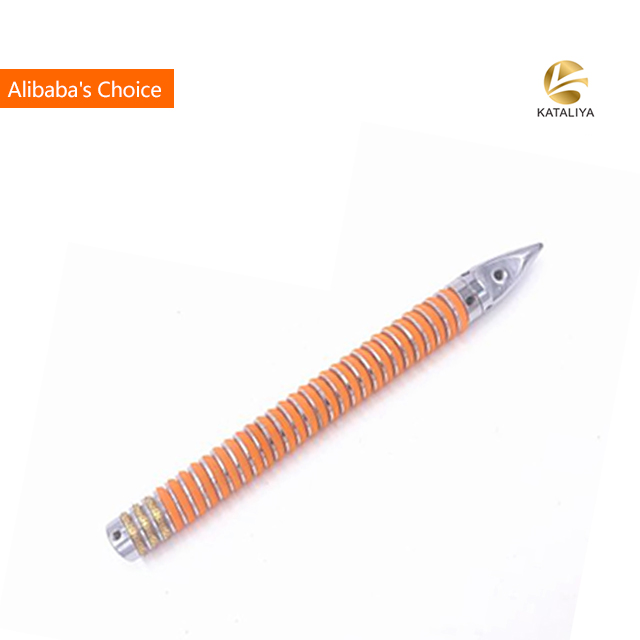
A rapier loom is a shuttleless loom that uses a reciprocating, sword-shaped rod to insert or clamp the weft yarn into the shed. Weft insertion method: The weft insertion method of a rapier loom involves using a reciprocating rapier rod to insert or clamp the weft yarn, guiding the weft yarn fixed on the bobbin outside the machine into the shed.
Variety Adaptability of Rapier Looms:
1. Due to their excellent weft hold and low-tension weft insertion, rapier weft insertion is widely used in the weaving of natural and synthetic fiber filaments, as well as the production of terry fabrics.
2. They possess excellent weft color selection capabilities, allowing for easy weft changes of up to 8 colors, and up to 16 colors, without affecting the loom speed. Therefore, they are suitable for multi-color weft weaving and are widely used in decorative fabric processing, wool fabric processing, and cotton-type colored fabric processing, meeting the characteristics of small-batch, multi-variety production.
3. Double-layer rapier looms are suitable for the production of double-layer and double-ply fabrics. They not only have a high weft insertion rate but also produce pile fabrics with a good hand feel and appearance, free of fuzzy back defects. They are suitable for processing plush, cotton velvet, natural silk and rayon velvet, carpets, and other fabrics.
4.In the production of industrial textiles, such as the weaving of special industrial technical fabrics made of glass fiber and other high-performance fibers, rigid rapier looms are also used.
Water jet loom adaptability:
1. Typically used for processing fabrics with hydrophobic fibers, requiring subsequent drying.
2. On a water jet loom, the weft yarn is drawn by a single jet of air from the nozzle. The exponentially decreasing velocity of this jet hinders the expansion of the loom width. Therefore, water jet looms are often used for narrow or medium-width fabrics.
3. Can be equipped with a multi-arm sheathing device for processing high-warp-density and small-pattern fabrics. The weft selection function of water jet looms is relatively poor, allowing for a maximum of three nozzles for double or triple weft color weaving.
News
Hot News
Contact Us
-
Phone:+86-519-83388368、86-13775633505
-
Fax:+86-519-83388368
-
Email:admin@yongxushengmachine.com