


Technical Innovation Drives Industrial Upgrading: New Generation of Textile Spikes Leads the Trend of Efficient and Green Production
2025-12-19
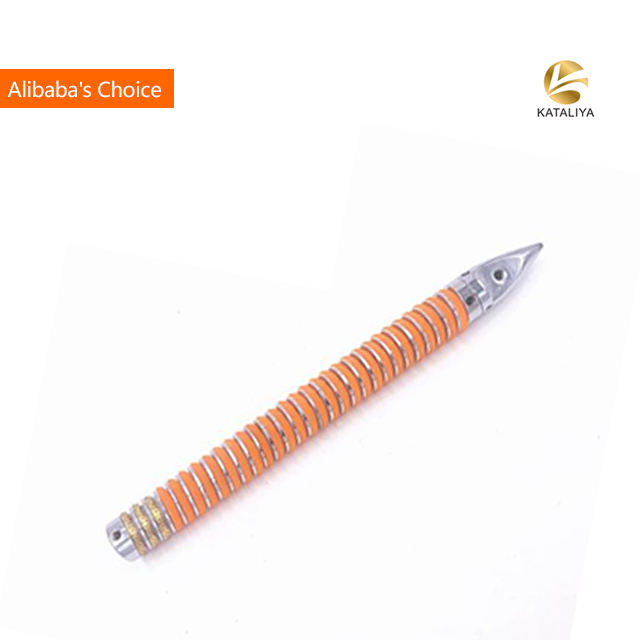
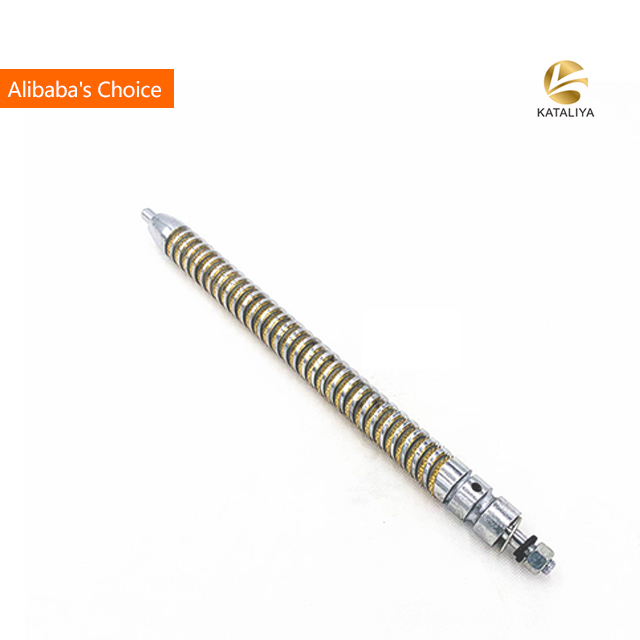
Against the backdrop of the global textile industry accelerating its transformation towards intelligence and green development, the core textile machinery component—spikes—has achieved a new breakthrough in technological iteration. The new generation of high-precision, wear-resistant, and low-energy-consumption spike products has recently been gradually introduced to the market. Leveraging advantages in material innovation, process upgrades, and smart integration, they address the pain points of traditional products, injecting strong momentum into the textile industry for quality and efficiency improvement as well as low-carbon development, which has garnered widespread attention within the sector.
As a key component for carding, opening, and conveying fibrous materials, the performance of spikes directly determines textile uniformity, production efficiency, and equipment maintenance costs. Traditional spikes commonly suffer from insufficient wear resistance, limited dimensional accuracy, relatively high energy consumption, and a tendency to cause fiber entanglement, making them difficult to meet the high-speed and refined demands of modern textile production. With the implementation of policies such as the "14th Five-Year Plan for Intelligent Manufacturing Development" and the "Green Development Implementation Plan for the Textile Machinery Industry," industry requirements for the precision, lifespan, and environmental friendliness of core components continue to rise, making technological innovation an inevitable trend.
The newly unveiled generation of spikes achieves breakthroughs in multiple core technologies:
· Materials: Utilizing high-hardness alloy steel substrates combined with surface nano-coating treatment, achieving hardness above HRC60, wear resistance improved by 50% compared to traditional products, and fatigue life exceeding 120 million impact tests.
· Process: Through CNC precision machining and AI-assisted optimization of tooth profile design, dimensional tolerances are controlled within ±0.008 mm, dynamic balance grade is elevated to G1.0, effectively reducing the probability of fiber entanglement and equipment operating noise.
· Green Attributes: Relying on energy-saving heat treatment processes and the application of recycled materials, the comprehensive energy consumption per unit product has decreased by 22.3% compared to 2020 levels, and the full life cycle carbon emissions of some products have been reduced by 63% compared to traditional models. Higher-end models even integrate miniature vibration sensors and IoT modules, enabling real-time operational status monitoring and fault prediction, driving the transition of textile production towards predictive maintenance.
In practical application scenarios, the new generation of spikes demonstrates broad adaptability. Whether processing pure cotton, chemical fibers, blended materials, or in specialized fields like technical fabrics and medical/hygienic textiles, they consistently enhance production efficiency. Data shows that after adopting the new spikes, textile enterprises have seen an average reduction in equipment failure rates of over 35%, an 18% increase in production efficiency, a more than 20% decrease in comprehensive maintenance costs, and a 30% improvement in fiber utilization rate, significantly reducing resource waste. Their green characteristics, which require no additional energy consumption assistance, better align with the industry's sustainable development needs under the dual-carbon goals, making them a preferred solution to replace traditional high-consumption processes.
Currently, the global textile spike market is exhibiting a development pattern characterized by "high-end products replacing imports, and green features becoming standard." It is projected that by 2025, the domestic market size will grow steadily, with the share of high-precision intelligent spikes expected to rise to over 45%. With the deep integration of technologies like CNC machining, intelligent sensing, and recycling, spike products are evolving from simple transmission components into integrated units featuring "intelligent perception + efficient execution + low-carbon environmental protection," driving the textile machinery industry chain towards higher added value and technological density.
Looking ahead, driven by both policy guidance and market demand, the spike industry will continue to focus on new material R&D, process optimization, and intelligent upgrades. It will further improve the technical standard system, helping the textile industry break through production capacity bottlenecks and environmental constraints, thereby providing core component support for the high-quality development of the global textile industry.
News
Hot News
Contact Us
-
Phone:+86-519-83388368、86-13775633505
-
Fax:+86-519-83388368
-
Email:admin@yongxushengmachine.com