


Material Penetration | The Secret of Yarn S and Z: Why does twisting make fabrics more usable?
2026-02-13
Recently, I've encountered many questions about twist, including from some experienced spinners. Actually, our ancestors knew about twist thousands of years ago.
As an ordinary person, you may not have noticed that the yarn behind clothes, bedding, and curtains is actually made up of countless fibers "entwined" together. This seemingly simple rotating action—which we call twisting—is the key secret in the textile world that determines the feel, strength, and appearance of a fabric.
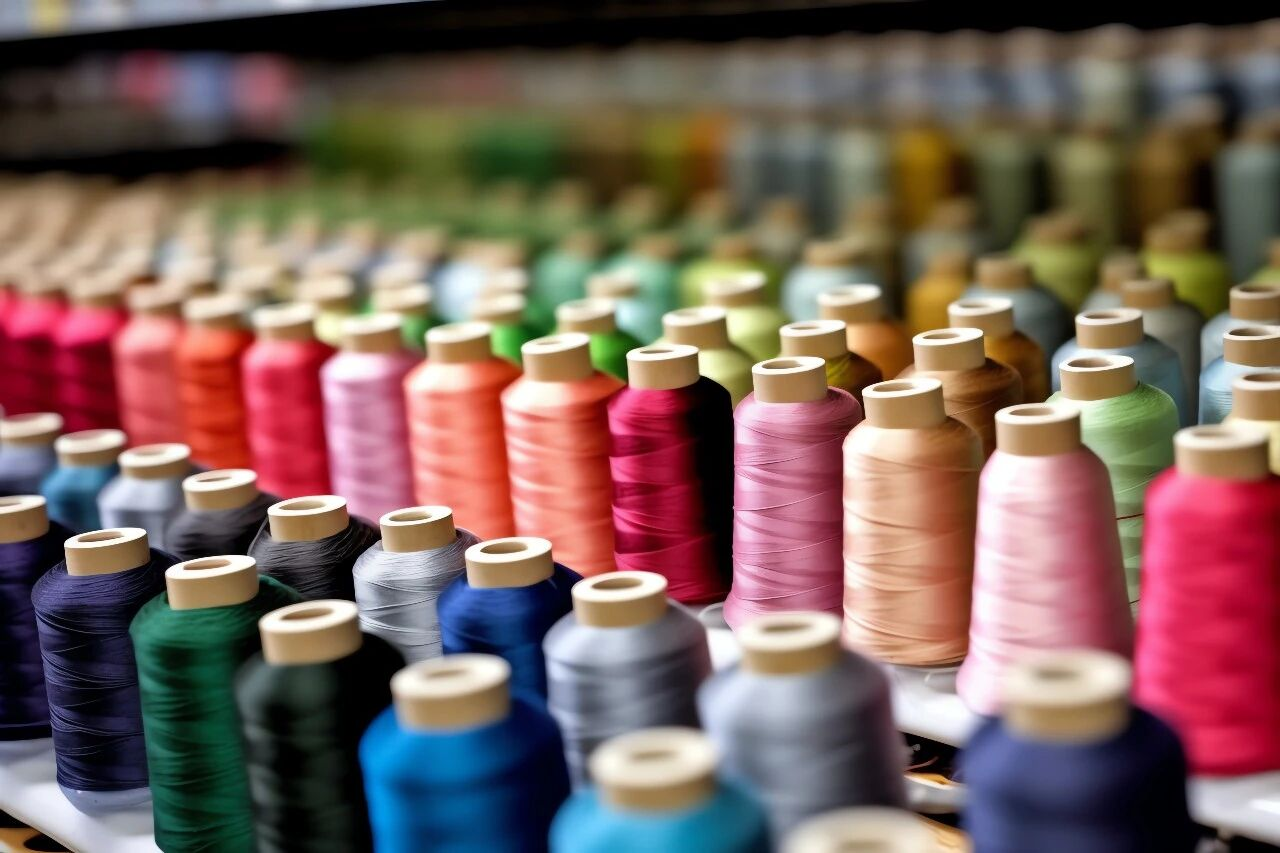
Fibers are inherently tiny and fragile monomers with low tensile strength. If woven directly into fabric without twisting, the yarn easily breaks, and the fabric unravels. Twisting solves several key problems:
Increased Strength:When fibers are twisted together, friction and pressure are generated between them, significantly increasing the overall tensile strength. Just like loose noodles becoming a rope, the unbreakable rope is the effect of yarn twisting.
Stabilized Yarn Structure: Twisting fixes the fibers together, preventing them from unraveling. During production, spinning, and weaving, the yarn remains intact, ensuring efficient weaving and high-quality finished products.
Improved Hand Feel and Appearance: Different twist levels affect the softness, stiffness, and luster of the yarn. Soft yarns are suitable for knitwear and scarves, while stiff yarns are suitable for shirts and workwear. Twisting can even affect the smoothness of the fabric surface and its susceptibility to pilling.
Controlled Fabric Properties:Twisting also affects the fabric's elasticity, moisture absorption, and crimp. Tightly twisted yarn produces a crisp, durable fabric; loosely twisted yarn produces a soft, comfortable fabric.
Twisting is arguably the most fundamental and crucial step in the textile process. Without twisting, the yarn is like a loose clump of fibers, unusable as a usable fabric.
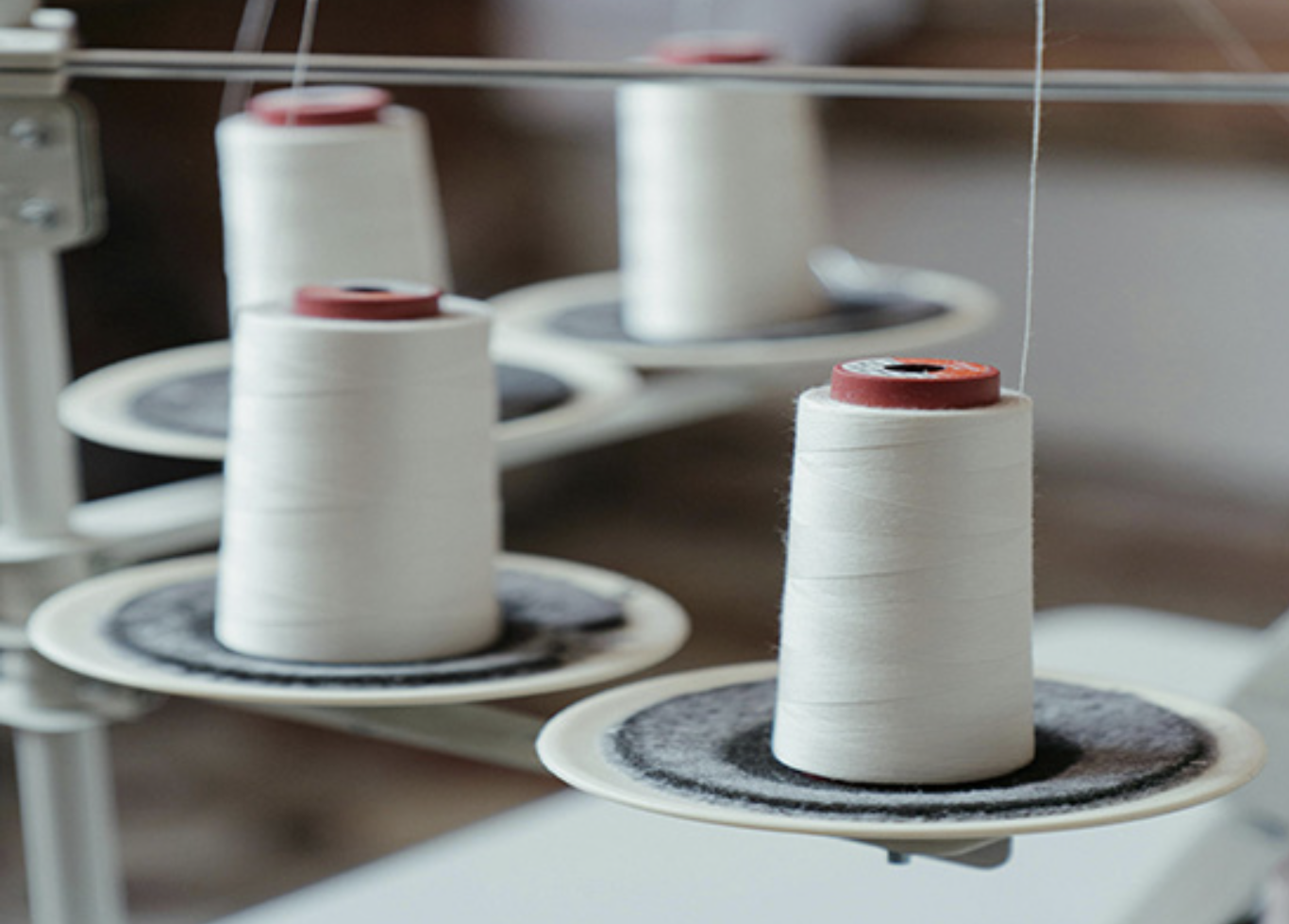
Yarn twist direction affects the performance and properties of yarn in fabrics, whether used for single-ply or plied yarns. There are two main types of twist: S-twist and Z-twist.
An S-twist, also known as a reverse twist or S-bend, refers to a fiber or yarn twisted and bundled counterclockwise, forming an "S"-shaped inclination when viewed along the yarn's centerline. It can be considered a leftward twist. Correspondingly, in a Z-twist, the fiber twists clockwise, forming a rightward inclination, similar to a "Z". These two different twists typically produce yarns of different textures, allowing for optimal fabric performance.
News
Hot News
-
![The customer's second ordered equipment was shipped smoothly]()
The customer's second ordered equipment was shipped smoothly
-
![Customers come to visit the factory]()
Customers come to visit the factory
-
This new Chinese-style vest worn by Elon Musk's son is trending online, showcasing the biggest trend of Chinese fashion.
-
Is the fabric not strong enough? Don't always blame the yarn; it's most likely a problem with the finishing process.
Contact Us
-
Phone:+86-519-83388368、86-13775633505
-
Fax:+86-519-83388368
-
Email:admin@yongxushengmachine.com