


Fully Automated Warping Machines Facilitate Efficient and Intelligent Manufacturing Upgrades in the Textile Industry
2026-06-12
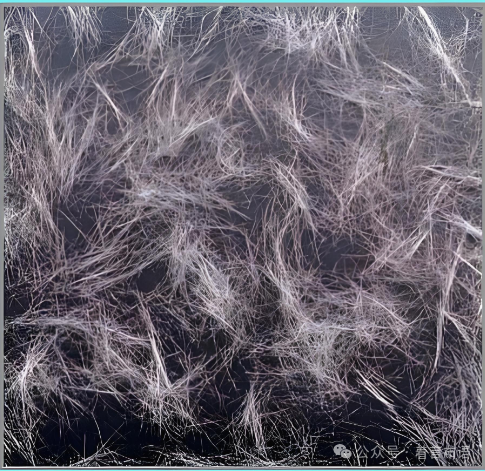
Fiber, as the most basic raw material in the textile industry, is the core foundation of textile production. Based on raw material source, textile fibers are mainly divided into two categories: natural fibers and chemical fibers. Chemical fibers are produced through chemical melting and spinning processes, using a high-pressure solution to be sprayed through micropores to form long, flexible, continuous filaments. Their aspect ratio is generally greater than 1000:1. Commonly used textile fibers have diameters of only a few micrometers to tens of micrometers, making them thin, easily broken, and precisely shaped, placing extremely high processing requirements on the front-end warping process.
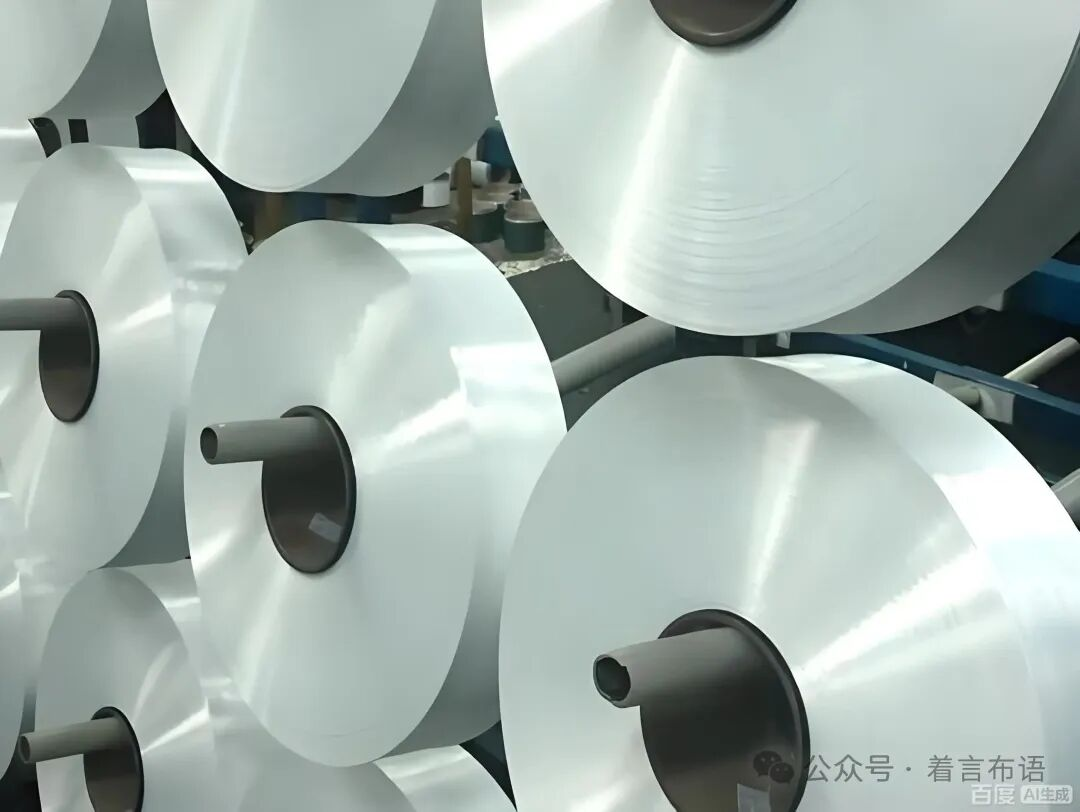
Currently, the textile market offers a continuously enriching variety of fabrics, with the mixing of natural cotton, linen, silk, wool fibers, polyester, nylon, and other chemical fiber yarns becoming increasingly common. Traditional manual warping methods, when dealing with thin, easily stretched, and broken chemical fiber yarns, are prone to problems such as yarn damage, misalignment, and missed or incorrect warping. They also suffer from industry pain points such as high labor costs, low production efficiency, and insufficient standardization, making them unsuitable for the demands of modern large-scale, high-precision textile production.
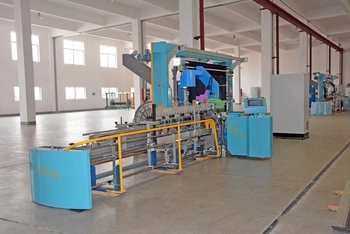
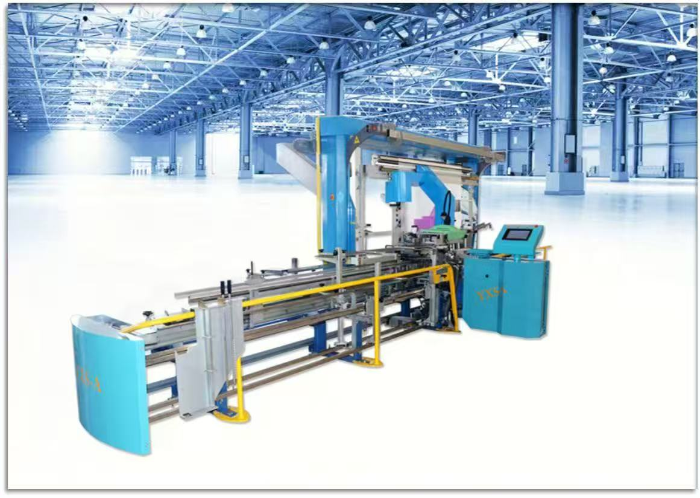
Addressing the processing challenges of all types of fiber yarns, our company's automatically threading machine precisely overcomes the technological difficulties in the weaving preparation stage, achieving fully automated and intelligent operation of the threading process for various fiber yarns. The equipment relies on a high-precision intelligent yarn sorting and positioning heddle-threading system, perfectly adapting to both natural and chemical fibers with different properties. For the characteristics of fine denier chemical fibers—their thinness, susceptibility to deformation, and uneven strength—the clamping and threading force are optimized to minimize breakage and pilling of ultra-fine yarns, ensuring that the original physical properties of the fibers are not damaged.
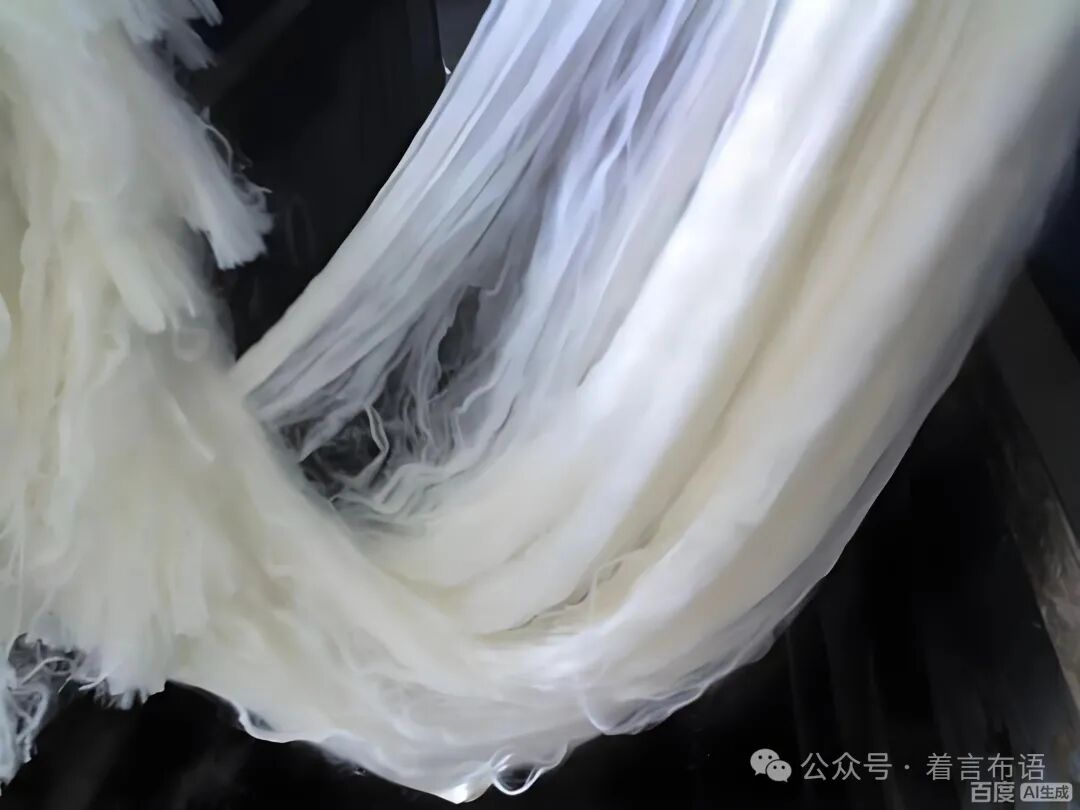
Compared to traditional manual operation, this automatically threading machine eliminates the need for manual yarn feeding and heddle threading, operating entirely automatically, significantly reducing threading time, achieving 100% threading accuracy, and completely eliminating human error. Simultaneously, the equipment is compatible with the production of various warp yarn specifications and fabrics with different processes, catering to the processing needs of conventional fabrics, high-count, high-density chemical fiber fabrics, and specialty fabrics.
Based on the characteristics of textile fiber raw materials, the machine focuses on upgrading the front-end weaving process. In the future, our company will continue to focus on the research and development of intelligent textile machinery, iterate equipment performance around the processing pain points of different fiber materials, and use high-performance automated textile machinery equipment to help textile enterprises reduce costs and increase efficiency, and promote the steady progress of the entire textile industry chain towards refinement, intelligence and efficiency
News
Hot News
Contact Us
-
Phone:+86-519-83388368、86-13775633505
-
Fax:+86-519-83388368
-
Email:admin@yongxushengmachine.com