

Natural fibers of textile materials
2026-01-08
The textile industry is heavily reliant on fiber raw materials. Traditional fibers remain one of the main raw materials for textiles, while raw materials that mimic traditional fibers have become the mainstay of synthetic fibers. Differentiated fibers have enhanced the industry's capabilities and provided a foundation for the upgrading of textiles. In the post-differentiation era, the trend for fibers is towards a return to natural fibers and ultra-natural functional recycled materials.
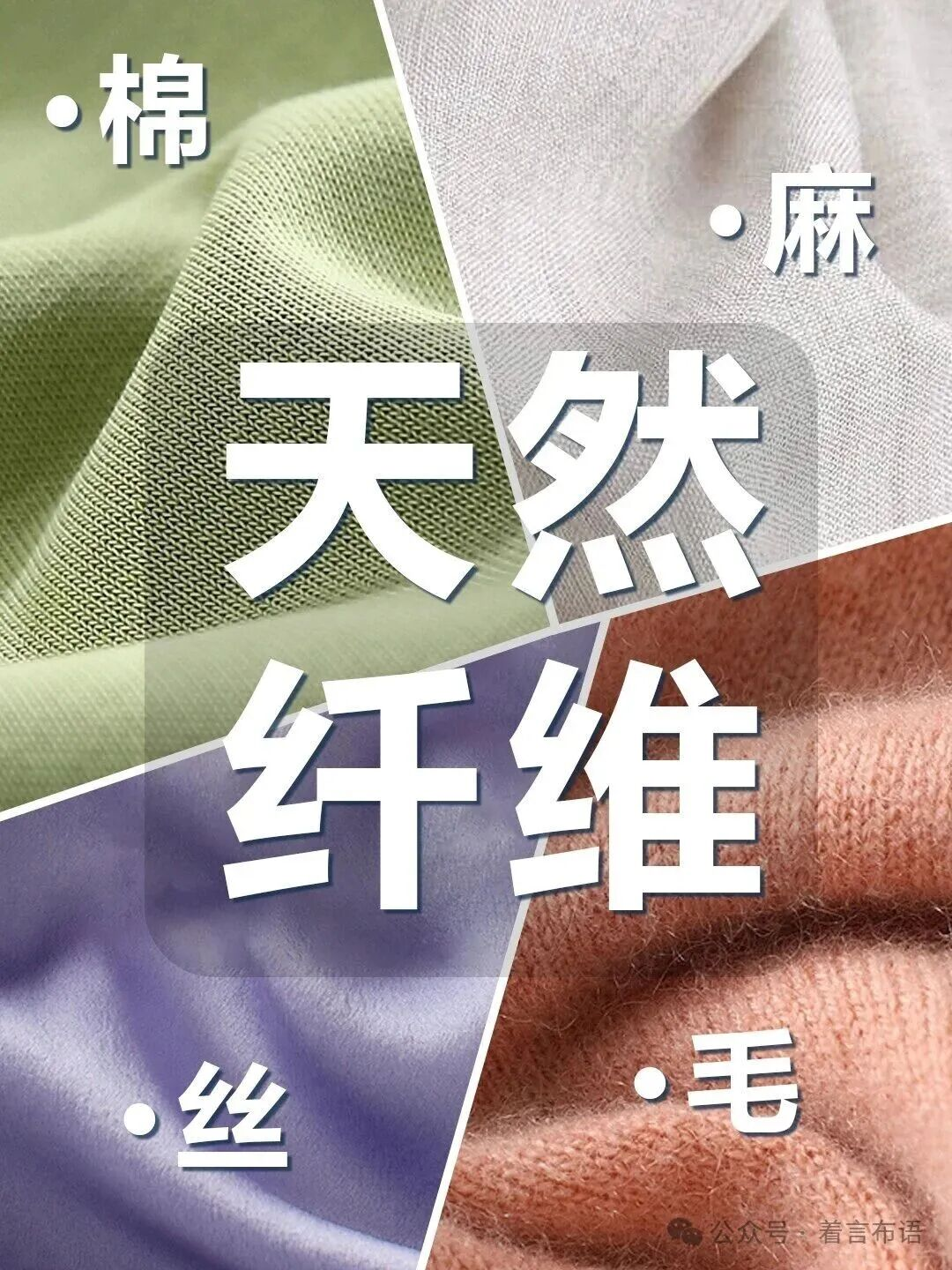
Among natural fibers, cotton, linen, and wool are typically short fibers, while silk is a typical long filament. Let's start with cotton...
The world's major cotton production areas are: China has the largest output, Egypt has the best varieties, the United States has the highest efficiency, and India and Pakistan have the greatest potential. The world's total annual cotton production ranges from 24.4 million to 25.5 million tons, with an annual fluctuation of about 15%; China's total annual cotton production is between 6.4 million and 7.2 million tons. my country is the world's largest cotton producer, accounting for about 25% of global cotton production annually. Cotton is widely planted in my country, with Xinjiang, the Yellow River basin, and the Yangtze River basin being the three major producing areas. Major cotton-growing regions include Xinjiang, Henan, Shandong, Hebei, Jiangsu, Anhui, Hubei, and other provinces.
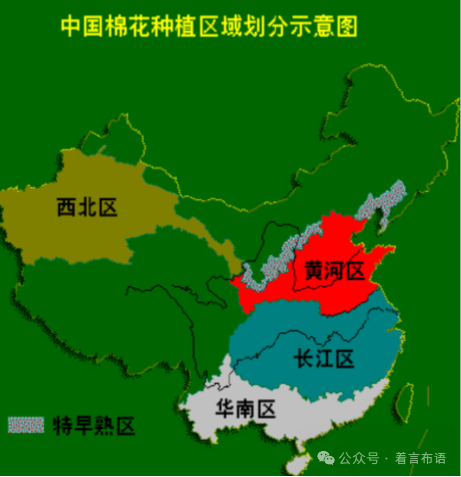
my country's cotton varieties are mainly divided into four branches:
Upland cotton: Also known as short-staple cotton, mainly grown in the Yellow River, Yangtze River, South China, and Northern Xinjiang regions.
Long-staple cotton: Also known as island cotton, mainly grown in Southern Xinjiang.
Colored cotton: Mainly grown in Northern Xinjiang, but also in Jiangsu and Henan provinces.
Organic cotton: Mainly grown in Northern Xinjiang. Definition of organic cotton: Cotton produced, harvested, processed, packaged, stored, and transported according to organic agricultural standards, with full-process quality control. The cotton products must be inspected and certified by a certified body. The most authoritative certification body is the International Federation of Organic Agriculture Movements (IFOAM).
Is colored cotton organic cotton?
Colored cotton varieties evolved from natural organic cotton seeds can be classified as organic cotton. However, some colored cotton varieties are cultivated using methods such as plasmid vectors, lipid vectors, viral vectors, or direct gene conversion; these cannot be considered organic cotton. The application of colored cotton is a means of optimizing natural species and one method of preventing dyeing and contamination, but its cost-effectiveness requires careful analysis.
News
Hot News
Contact Us
-
Phone:+86-519-83388368、86-13775633505
-
Fax:+86-519-83388368
-
Email:admin@yongxushengmachine.com